


Aluminum Frame Greenhouse Rated for 80 kg/m² Snow and 140 km/h Winds
 Oct 28, 2026|
 View:6
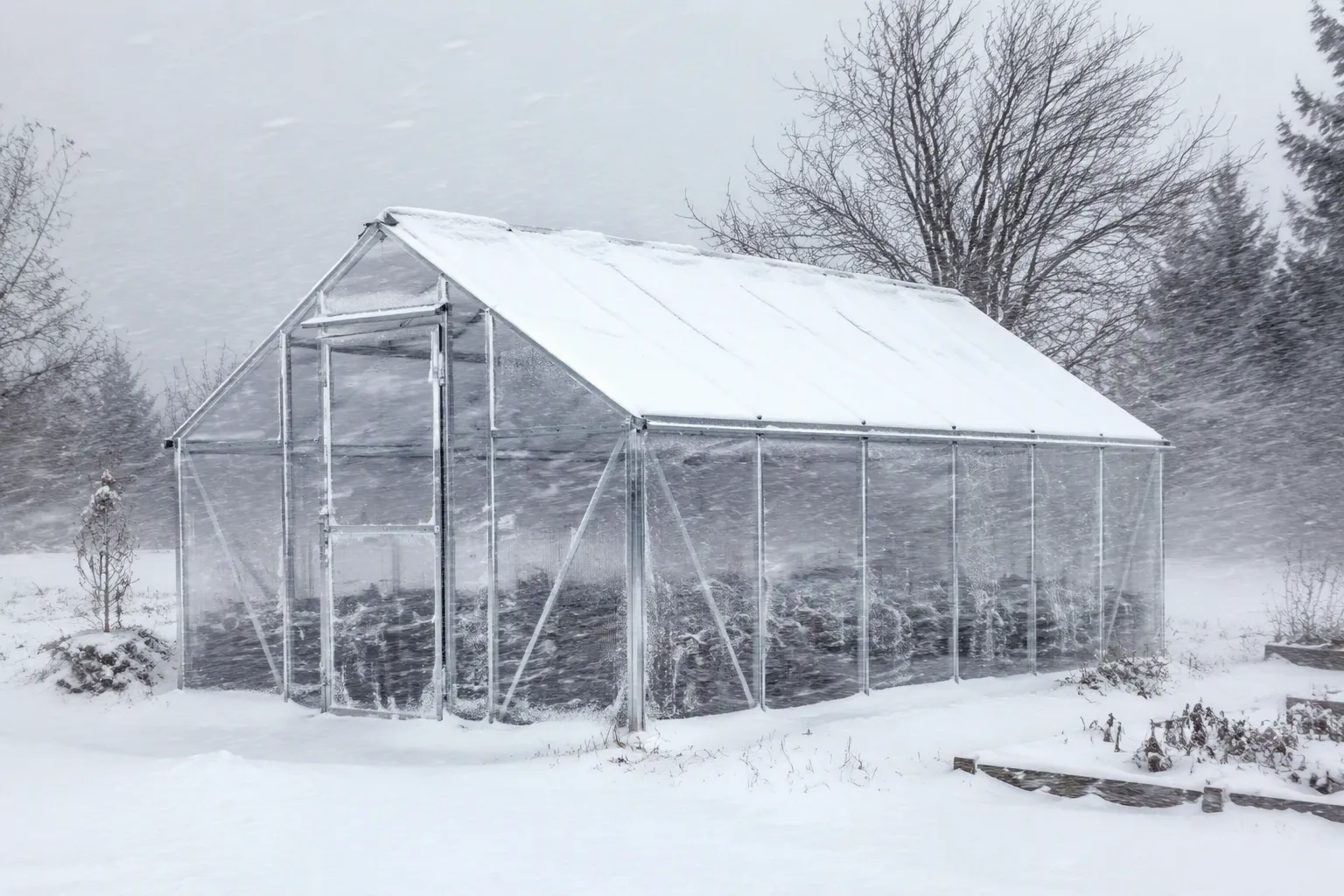
An aluminum frame greenhouse rated for 80 kg/m² snow and 140 km/h winds has real engineering behind those numbers. The first number shows how much snow weight each square meter of roof can hold. The second shows the wind speed the structure can handle. You get real safety benchmarks, not marketing claims.
These ratings give you practical value. Your plants stay protected through heavy snow and strong gusts. You get a longer, safer growing season in your garden. You can also compare models fairly, judge cost against real capability, and check compliance with local rules. That knowledge helps you choose with confidence.
Key Takeaways
An 80 kg/m² snow load rating means the roof can hold about 16.4 pounds of snow per square foot.
A 140 km/h wind rating means the greenhouse can withstand gusts up to about 87 mph.
Proper anchoring and foundation are essential to achieve the rated wind performance.
These ratings extend your growing season by protecting plants from heavy snow and strong winds.
Check local building codes and site conditions to ensure the greenhouse meets your climate needs.
What 80 kg/m² Snow Load Means
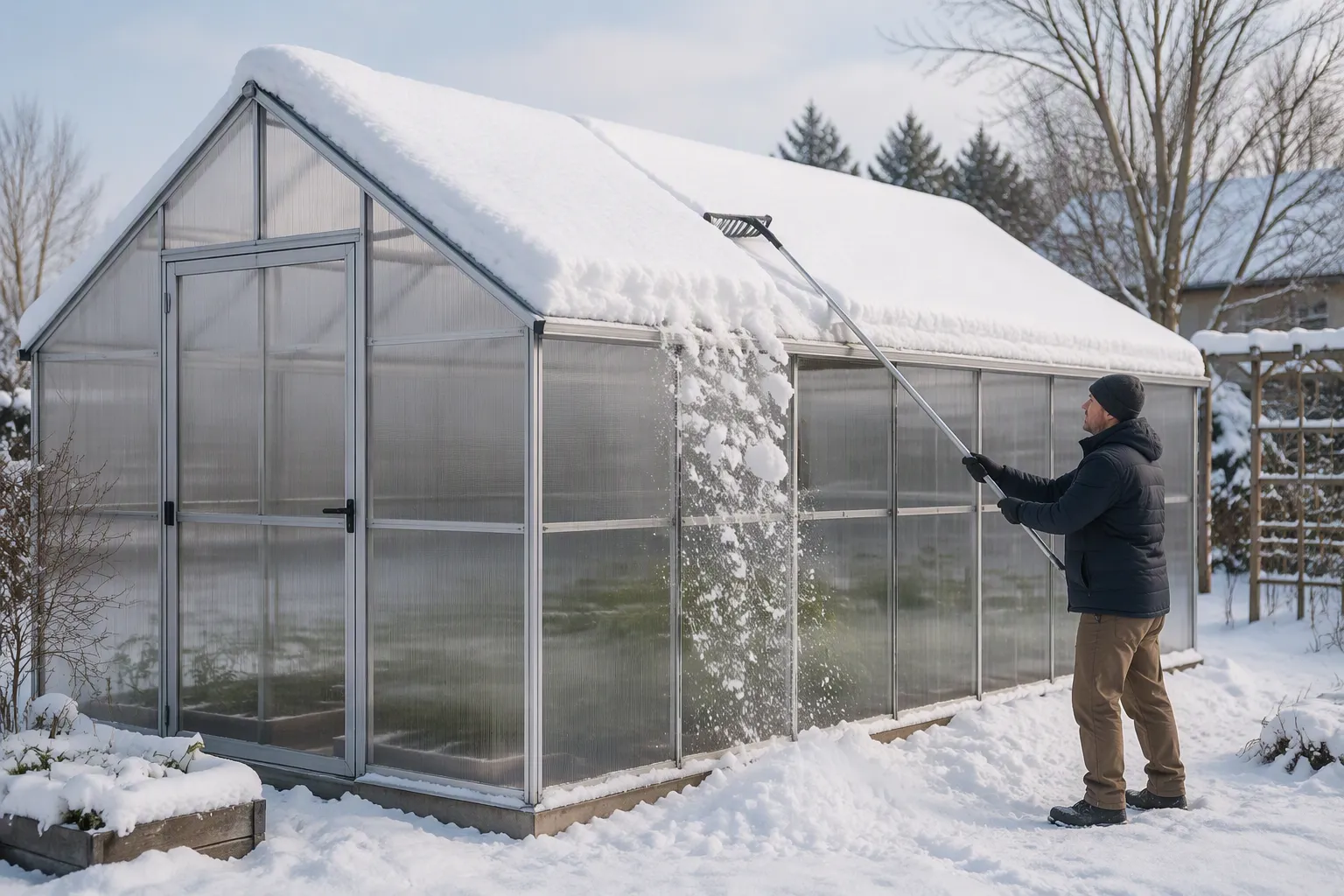
A rating of 80 kg/m² tells you how much snow weight each square meter of roof area can carry. In imperial terms, that equals roughly 16.4 lbs per square foot. Think of it as a design condition, not a promise. The number describes what the structure handles under test assumptions, and real weather can push past those assumptions.
Snow Depth and Weight in Practice
Snow weight depends on density, and density changes a lot. Dry powder weighs very little. Wet, settled snow weighs many times more.
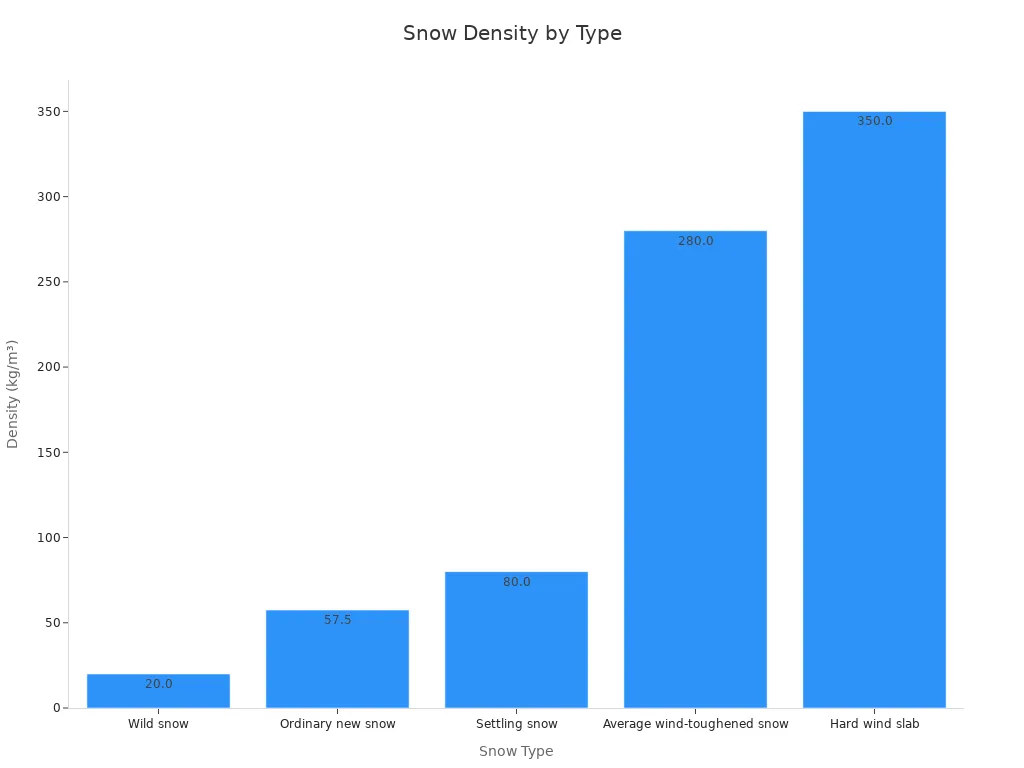
Snow density spans roughly 30 kg/m³ for the driest powder up to about 600 kg/m³ during melt runoff.
That range matters for your snow load planning. A deep layer of light snow may weigh less than a shallow layer of wet snow. The table below shows how density shifts by snow type.
Snow Type | Density (kg/m³) |
|---|---|
Wild snow | 10 – 30 |
Ordinary new snow (still air) | 50 – 65 |
Settling snow | 70 – 90 |
Average wind-toughened snow | 280 |
Hard wind slab | 350 |
You should still monitor drifting snow, even below the rated number. Wind piles snow against one side of the roof and creates uneven weight. Clear the roof once accumulation reaches about 6–8 inches. Use a long-handled broom or snow rake from the ground. Never climb on the roof or use sharp tools. Clear snow gradually, and watch for ice dams at the gutters.
How the Frame Handles Snow
An engineered aluminum frame carries snow weight through its beams and spreads it to the base. The aluminum frame resists bending under that load. Panel choice matters too. A 6 mm twin-wall panel adds rigidity and resists bowing under heavy snow. Thicker 6 mm UV-protected twin-wall polycarbonate sheets hold their shape and stay fixed in the frame during storms. Polycarbonate also resists shattering from hail or impact, while glass can crack under accumulated weight. That is why many polycarbonate greenhouse kits suit cold, snowy climates.
Roof geometry does the rest. A pitched roof sheds snow before it stacks up. Smooth polycarbonate surfaces help snow slide. Together, the frame, the twin-wall glazing, and the roof pitch protect your snow-load capacity in a real storm. Check snow load figures against your local climate, and treat them as a starting point for safe use.
What the 140 km/h Wind Rating Means
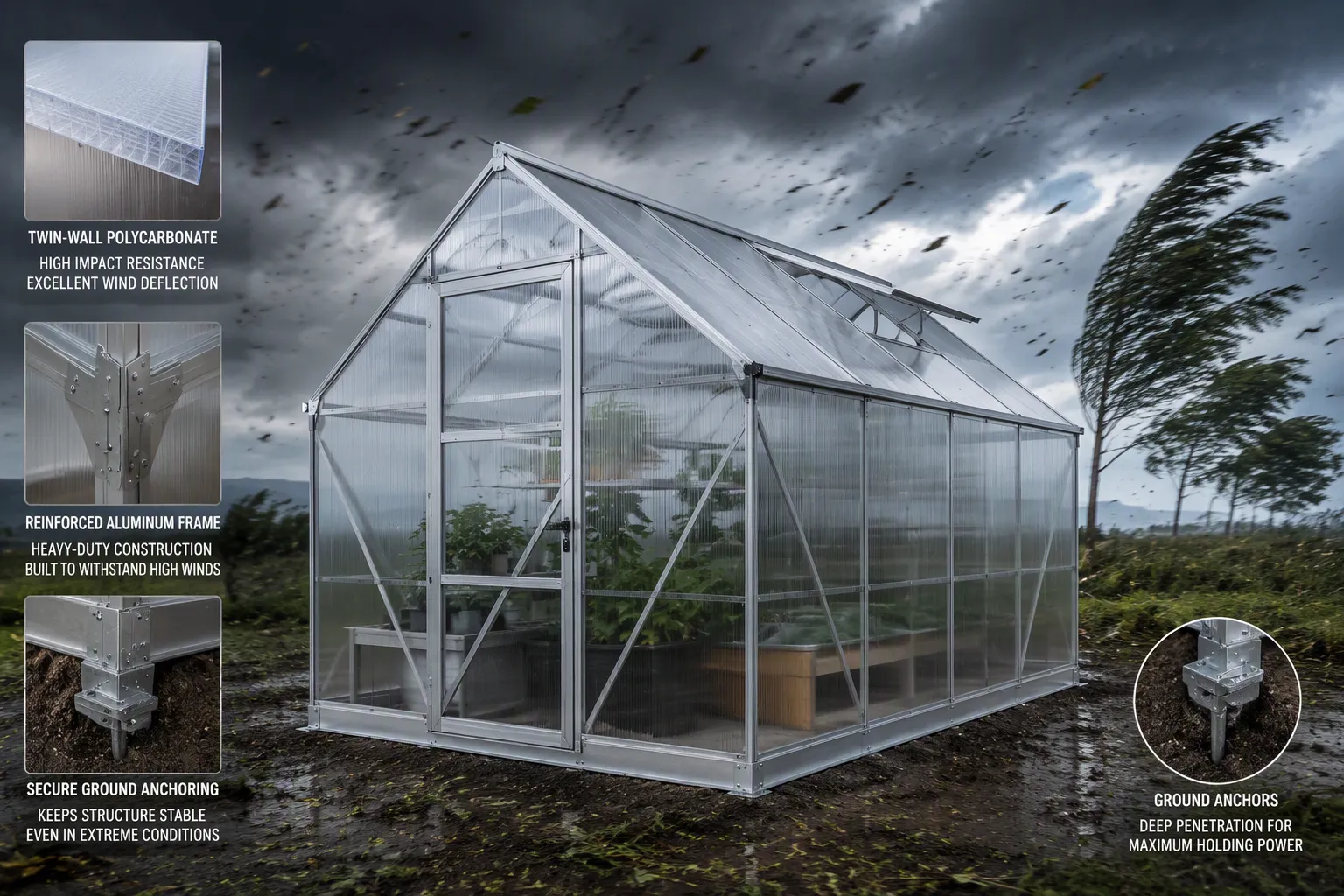
A rating of 140 km/h is about 87 mph. The glazing connections and panel fixings are built to handle steady gusts up to that speed. This is a structural benchmark, not a marketing slogan. Once you understand it, you can compare models on equal terms.
The rating shows how the aluminum structure, the polycarbonate glazing, and the roof connections work as one system. A rigid frame holds panels tight under pressure. A 6 mm twin-wall polycarbonate panel adds stiffness and resists flexing. Twin-wall panels also take hits from flying debris. These choices build wind resistance right into the structure itself.
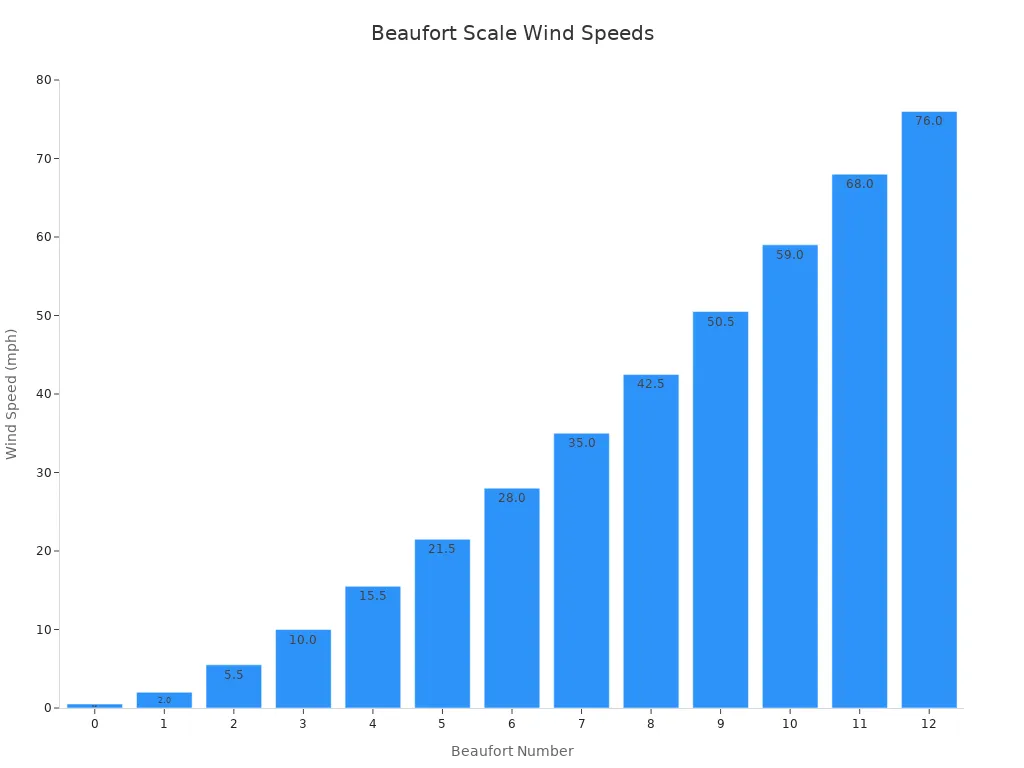
Reading 140 km/h on the Beaufort Scale
The Beaufort scale is a measured way to link gust speed to conditions seen at sea or on land. Francis Beaufort, a hydrographer in the British Royal Navy, came up with it in 1805. The Royal Navy adopted it officially before it spread around the world. Its purpose is simple: give sailors and builders a shared language for storm strength.
On this scale, 140 km/h falls within the 133–148 km/h range. That matches Beaufort number 13. For context, Beaufort 12 starts at 118 km/h and marks hurricane conditions with widespread damage. A 140 km/h gust sits above that line.
The Saffir-Simpson hurricane scale tells a similar story. Category 1 hurricanes carry sustained speeds of 74–95 mph (119–153 km/h). NOAA calls such storms very dangerous. They can damage roofs, shingles, siding, and gutters of well-built homes. They snap large tree branches and topple shallowly rooted trees. Power outages can last several days. Your aluminum frame greenhouse rated at 140 km/h is engineered for this class of storm.
Anchoring and Site Placement
Rated wind performance only happens with proper ground anchoring or foundation mounting. The strongest frame will fail if it lifts off the ground. An aluminum base plate bolts to the foundation. Aluminum does not rust like steel, so the base stays sound for years.
Soil type shapes your anchor choice. Sandy soils need deeper or extra anchors. Auger-style anchors with longer shafts resist uplift well in sand. Clay soils usually give better grip, unless they are saturated. Compact, firm soils suit drive-in anchors that rely on soil friction. Helical piers with multiple plates hold strongly across various soil types and can be load-tested. Place ground anchors at about a 45° angle to resist both uplift and sideways forces.
Site placement matters just as much. Avoid open corners of your property, ridge lines, and gaps that funnel air. These spots raise structural stress. Balance sun access with shelter. Nearby fencing, outbuildings, tree lines, or terrain changes can reduce direct load when well placed. Keep branches from overhanging the roof and clear debris hazards near the structure. Orient the greenhouse relative to winning gusts, since how it faces moving air affects pressure buildup on walls and roof. Gusts push hardest on the roof edge, so trim nearby trees.
A polycarbonate greenhouse kit pairs well with this approach. The panels stay fixed during a storm. A second polycarbonate greenhouse on an exposed site benefits from the same anchoring plan. Your greenhouse needs a solid base. The greenhouse stays put when the frame stays square under load. Check your garden site for shelter before you build. Plan your garden layout around the winning gusts.
Snow and Wind Benefits for Your Garden
Season Extension and Winter Protection
A greenhouse traps sunlight to warm the air and soil inside during the day. At night, the covering holds heat in and keeps frost away. That warmer microclimate gives you a longer growing window than your outdoor beds allow.
One grower said they picked lettuce, kale, tatsoi, turnips, and carrots into December. That was about two months after the outdoor garden finished. Spring seeds started about two months early, and fresh greens came again by mid-April. Even at 13°F inside, most of those crops lived. Your polycarbonate greenhouse gives you this same shield. Twin-wall panels hold heat, and the aluminum frame stays strong through cold snaps. Cold-climate zones have short growing seasons and sharp temperature swings. A sturdy structure shields plants from biting winds, heavy snowfall, and extreme cold. Watch for condensation on cold mornings, since lower winter temperatures raise mold risk. Ventilate briefly and manage humidity to keep your garden healthy.
Lower Risk, Easier Gardening
Winter storms hit a greenhouse in ways you can predict. Common failures include twisting of the frame, bending of the hoops, broken glass or torn plastic, and lifted foundation posts. Wind pushes on the windward side and pulls on the leeward side, and that pair of forces can flip a weak structure. Snow adds steady weight to every member.
A rated snow and wind design lowers these risks before the first storm arrives. The rigid aluminum frame resists twisting. Twin-wall polycarbonate bends instead of shattering. A pitched roof sheds snow before it stacks. Your polycarbonate garden greenhouse then needs less emergency work. You spend winter mornings harvesting instead of shoveling a roof or patching panels. A small polycarbonate greenhouse on a patio gains the same protection at a smaller scale. Fewer repairs mean more time in the garden and steadier crops all season.
Comparing Greenhouse Types and Ratings
Aluminum Frame Greenhouse vs. Polycarbonate Greenhouse Kits
These two names describe different parts of the same product. An aluminum frame greenhouse uses metal to build the structure. A polycarbonate greenhouse kit uses plastic panels to cover it. Most kits use both, so the real question is how well the parts work together.
The table below shows how published ratings differ across the market.
Greenhouse Category | Example Model | Wind Rating | Snow Rating |
|---|---|---|---|
Standard aluminum kit | Canopia by Palram | 56 mph | 15.4 psf |
Polycarbonate kit | Exaco Riga 10x9 | ~80 mph | ~25 psf |
Polycarbonate kit | CDCASA 12x10 | 56 mph | 20 psf |
Heavy-duty | BC Greenhouse Builders | 85 mph | 32 psf |
Heavy-duty max | BC Greenhouse Builders | up to 140 mph | up to 100 psf |
A rating of 80 kg/m² and 140 km/h falls in the middle-to-upper range for home kits. Standard aluminum models often come in near 80 mph wind and 25 psf snow load. Stronger builds reach 115 mph and handle up to 2 feet of snow. Your target greenhouse beats the standard level with room to spare.
Mid-Range vs. Heavy-Duty Performance
Mid-range kits like the Planta Sigma Gen III carry a 55 psf snow load and a 65 mph wind rating. The Planta Sungrow 20/26 Gen III lists 75 psf and 65 mph when anchored correctly. Prices run about $4,000–$8,000 for DIY kits.
Heavy-duty options go higher. A Riga XL with the reinforcement package documents 64 psf and 135 mph. A 15 ft Growing Dome rates 85 psf and 115 mph on a foundation wall. Frame bracing and anchoring upgrades raise wind ratings on many models. Shapes that let wind flow around them, like geodesic domes, work well on open sites.
Any published snow or wind rating still depends on the specified base and anchors, site exposure, assembly, and what the number actually represents.
Compare options on performance, fit, compliance, and cost. A small polycarbonate greenhouse works for a patio. A commercial polycarbonate greenhouse works for larger operations. Each choice has a place.
Is This Greenhouse Right for You?
Matching Ratings to Your Climate
Begin with your local numbers, not the catalog. Most states have adopted some form of the International Building Code, and enforcement has become stricter over the years. Your county or city sets the snow load and wind figures a structure must carry. Check those figures before you shop. A design that works in a mild climate may be too weak for a snowy or windy one.
Public tools make this simple. The SkyCiv Load Generator finds the design wind speed or ground snow load for your address, zip code, or coordinates. It supports standards such as ASCE 7 and EN 1991. The Engineering Express Snow Load Estimation Tool gives you a second check on snow drift. Compare the result with the 80 kg/m² and 140 km/h ratings. Growell's aluminum hobby greenhouse kits show how this class works in practice. The line covers nine series and about 95 models, with polycarbonate or glass panels, ISO9001, CE, and BSCI certification, and a 10-year warranty on the aluminum frame.
Permits, Placement, and Value
Permit rules deserve an early call to your building department. Projects that once needed no permit may now require one. Some areas still give an agricultural exemption for production use. Institutional, retail, or large structures usually need a stamped, load-rated design. Ask before you order.
Siting shapes performance as much as the frame does. Keep the greenhouse away from open corners and gaps that funnel air. Give the roof clear sun and room to shed snow. Then weigh cost against durability. Frames usually carry longer protection than panels and seals. A light-duty kit saves money upfront but raises replacement risk after a storm. A rated aluminum frame greenhouse with 6 mm twin-wall panels costs more and lowers that risk. The same logic applies at any size: a small polycarbonate greenhouse for a patio, a twin-wall model for a windy lot, or a commercially intended small polycarbonate greenhouse for steady production. Match the rating to your climate, and the polycarbonate greenhouse you choose will earn its price over many seasons.
These ratings deliver structural confidence. An 80 kg/m² snow load and a 140 km/h wind rating mean your greenhouse stands firm in snow and wind country. You also gain a longer, safer growing season.
Deep-winter regions and exposed lots reward this build most. A milder site may suit a lighter-duty greenhouse fine. Either choice can serve you well.
Run a checklist before you buy. Confirm your local weather figures. Study your siting for shelter and sun. Set a budget. Call your building department about permits. Check the aluminum frame, the roof panels, and the anchors. Ask how the aluminum base and the greenhouse shell handle gusts. Choose the greenhouse that fits your garden.
FAQ
Does the 80 kg/m² snow load rating cover wet, heavy snow?
The rating sets a design condition for roof weight. Wet snow weighs far more than powder, so density changes the real load on your greenhouse. Clear snow once it reaches about 6–8 inches. Watch for drifts that pile unevenly on one side of the roof.
Do I need a foundation to reach the 140 km/h wind rating?
Yes. The wind rating only holds with proper ground anchoring or foundation mounting. Bolt the aluminum base plate to a solid foundation. Match your anchors to your soil type. Sandy ground needs deeper or extra anchors. A strong frame still lifts if the base moves.
Can I assemble the greenhouse myself?
Most kits ship with precision components and clear instructions. Two people can handle assembly in a weekend. Follow the anchoring steps exactly. Check that the frame stays square as you tighten each connection. Proper assembly protects both the snow load capacity and the wind rating.
How do twin-wall panels help in winter?
Twin-wall polycarbonate traps air between its layers. That air layer holds heat and resists bowing under snow. The panels also resist shattering from hail or impact. A 6 mm twin-wall sheet adds stiffness to the glazing system. Together with a pitched roof, the panels shed snow and keep plants warmer.
What warranty comes with this class of greenhouse?
Growell backs its aluminum frames with a 10-year warranty. The line carries ISO9001, CE, and BSCI certification. Frames usually outlast panels and seals, so check both coverage terms. A small polycarbonate greenhouse for a patio carries the same frame protection as larger models.
Recommended Products

HEX 15' Series Hexagonal DIY Aluminum Frame Greenhouse Kit for Home Gardening

GMA Series Aluminum Framed Twin Greenhouse with Polycarbonate Panels

V Series DIY Aluminum Framed Greenhouse Kit for Outdoor Use

B Series aluminum framed outsunny walk in greenhouse for Home

HD Series Easy to Assemble aluminum frame Greenhouse

SD aluminum framed PC greenhouse kits with window

SW Series 6x8ft classic aluminum frame greenhouse kits with glass


Recent News
1.Guide to Aluminum Frame Glass Greenhouses: Types, Sizes, and Applications
2026-02-262.10-Year Warranty on Aluminum Frames Positions Growell as Low-Risk Partner for Greenhouse Retail Chains
2026-09-283.How Rust-Proof Aluminum Frames and UV-Blocking Polycarbonate Panels Reduce After-Sales Claims in Greenhouses
2026-10-14

