


Lean-To vs. Freestanding: Which Greenhouse Style Drives Higher Retail Margins?
 Sep 14, 2026|
 View:15
Which Greenhouse Style Drives Higher Retail Margins? Freestanding greenhouses usually make higher profits. Lean-to models cost less at first and have some special advantages. The difference depends on four factors: starting cost, running cost, selling price, and customer demand. Business owners must look at their space, budget, and sales goals. The main question—which greenhouse style drives higher retail margins?—guides this study. Each factor will be studied in detail. Home gardeners also benefit from knowing these trade-offs. A lean-to works well in small areas. A standalone can handle bigger production. This post gives useful advice for small business owners.
Key Takeaways
Lean-to greenhouses cost less to set up because they use a shared wall with a building that is already there.
Freestanding greenhouses let you grow more plants and keep growing all year for steady income.
Lean-to models cost less to heat and fit into small spaces, so they work well for specialty crops.
Freestanding designs make it easier to add automation and charge higher prices with glass panels.
Choose based on your space, budget, and sales goals to boost retail margins.
Startup Cost: Lean-To vs. Freestanding Greenhouse
Lean-To Greenhouse Entry Cost
A lean-to greenhouse usually costs less to build because it shares one wall with a building that is already there. This design needs fewer materials, so the first payment is lower. A lean-to greenhouse also fits into small spaces well. Homeowners and small business owners can start gardening or growing for sale without spending a lot. Growell sells lean-to and walk-in series as low-cost aluminum hobby greenhouse kits. These kits make setup easier and quicker. A lean-to greenhouse works well for tight budgets and small plots of land.
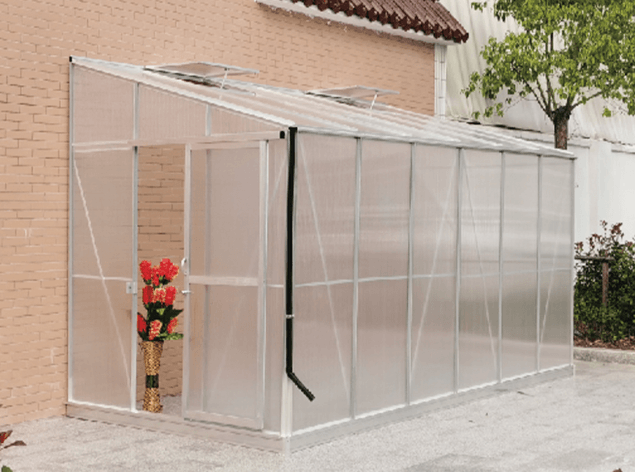
Lean-to greenhouses often cost less because they need fewer building materials since one wall is already there. On the other hand, freestanding greenhouses usually cost more at the start because they need a foundation, four walls, and a full roof, which raises both material and labor costs.
The shared wall keeps heat in and may connect to heating you already have. This feature lowers utility bills over time. A lean-to greenhouse also skips the need for a full foundation. The structure attaches right to a building. This cuts down on labor and material costs. When planning a budget, a lean-to greenhouse clearly costs less.
Freestanding Greenhouse Upfront Cost
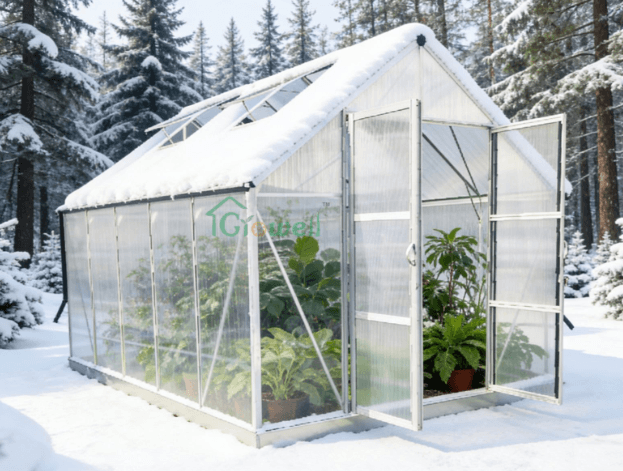
A freestanding greenhouse needs more materials and land. It needs a foundation, four walls, and a full roof. These needs raise the upfront cost. The labor is also more complex. A freestanding structure gives you more room and more choices for where to put it. Growell's SG/SW series aluminum walk-in kits handle snow loads up to 80 kg/m² and wind speeds of 130–140 km/h. Frame thickness choices run from 1.0 mm to 3.0 mm. These features give a permanent feel that US homeowners expect.
Manufacturer | Product Description | Price Range (USD) | Min. Order |
|---|---|---|---|
Changzhou Growell Garden Products Co., Ltd. | Modern Small Greenhouse for Garden Backyard Planting Growth Aluminium with PC Glass Outdoor Green House | $130–260 | 50 sets |
ZHEJIANG DIBIBI TECHNOLOGIES CO., LTD. | New Trend 6Ft Gable Greenhouse Garden Walk-In Polycarbonate Panels Outdoor Water Proof Galvanized Steel Base Glasshouse | $199–249 | 10 sets |
Qingdao Vitavia Garden Products Co., Ltd. | Garden Greenhouse Family Gardening Greenhouse Solar Panel Garden Greenhouse Kits | $162.46–182.76 | 100 sets |
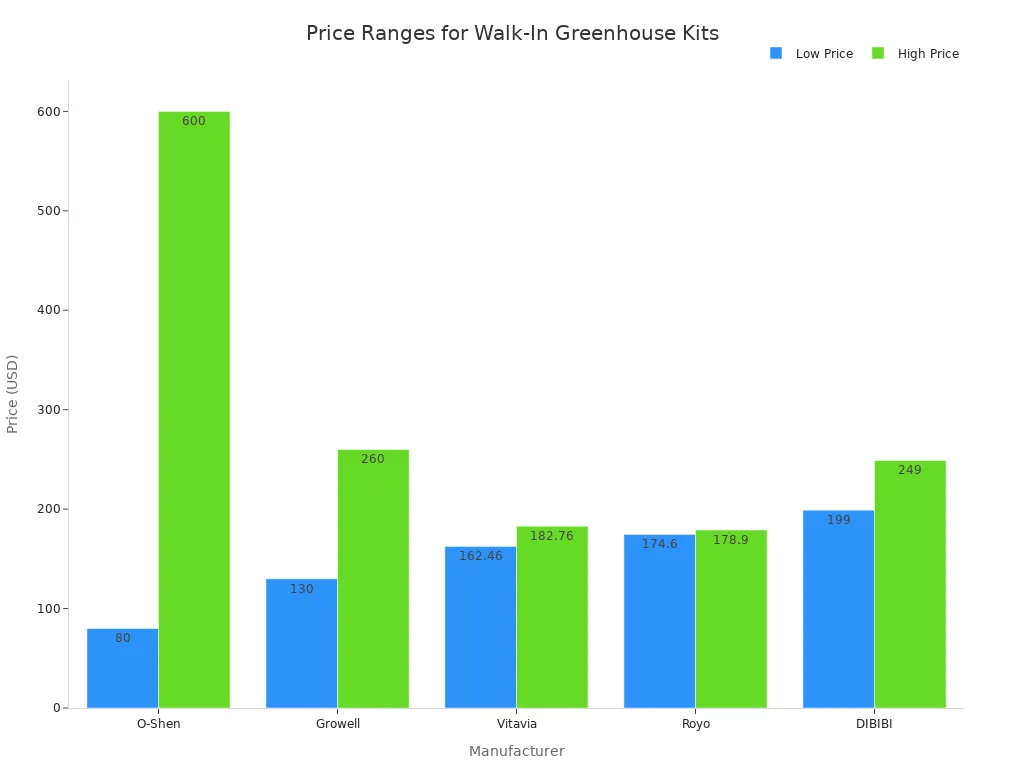
Growell's SP608 (6×8 ft, 4 mm twin-wall PC, sliding door, roof vent) and the extendable GMSB series let dealers scale length to 10 m. A commercial buyer can offer small, medium, and large sizes from one tooling base. Growell provides both 4–6 mm multi-wall polycarbonate and 3 mm tempered glass. A B2B partner can run a polycarbonate value SKU and a glass heritage SKU under one private label. These choices affect cost drivers and overall budget planning for any farming glass greenhouse or garden glass greenhouse project.
Operational Cost and Efficiency
Lean-To Heating and Space Savings
A lean-to greenhouse keeps heat better because one side sits against a building wall. This setup cuts heat loss and lowers monthly energy bills. Gardeners can reach electrical power easily for heating mats and grow lights. The shared wall means you do not need a full foundation. This design removes one of the biggest cost drivers. Growell offers polycarbonate and glass panel choices for these structures. The panels help hold heat and block UV rays. Wind resistance adds strength during storms. This lean-to turns unused wall space into a useful growing area. Small businesses keep their budget in check. The lean-to design supports sustainability by reusing walls that already exist. A lean-to greenhouse fits many small garden spaces. Every lean-to greenhouse gains from the shared thermal mass. The lean-to setup saves space well. Installation takes simple steps for a lean-to. The lean-to approach cuts down on material waste.
Freestanding Automation and Volume
A freestanding structure allows flexible placement and automation. Operators put this structure where it gets the most sunlight. They add automated ventilation, irrigation, and temperature control. This setup handles larger production volumes. Growell's glass panels hold heat and block UV rays with excellent performance. The panels resist wind for a long service life. A freestanding structure needs a proper foundation but allows expansion. Commercial growers grow operations by adding multiple units. A glass structure gives premium conditions for high-value crops. A garden glass greenhouse serves home growers with quality materials. A farming glass greenhouse supports year-round commercial production. These options serve different market segments. Sustainability considerations include durable materials and efficient designs. These sustainability factors help cut long-term waste. Commercial buyers value the flexibility. The performance of glass panels stays excellent over time.
Retail Pricing and the Glass Greenhouse Factor
Pricing Niche Crops in Lean-To Systems
Glass panels give a high-end look that buyers see right away. A glass greenhouse shows quality and tradition. Polycarbonate panels cost less and offer good insulation. Stores can charge more for a glass greenhouse because customers think glass means strength and beauty. A lean-to greenhouse fits special markets well. Growers sell herbs, microgreens, and rare flowers at local farmers markets. These crops get higher prices because buyers like fresh and local food.
A lean-to greenhouse uses a wall that is already there. This design keeps costs low for small gardens. The structure shares heat from the building, so energy bills are lower. A lean-to greenhouse allows special crops without spending a lot. Stores set higher prices for each of these special items. The lean-to works for small production runs. A garden glass greenhouse with glass panels looks more valuable to rich buyers. This pricing plan aims at customers who will pay more for quality.
Pricing High-Volume Crops in Freestanding Systems
A freestanding greenhouse allows growing all year. Farmers pick tomatoes, peppers, and leafy greens in every season. This large amount gives steady income. A farming glass greenhouse with strong glass panels can handle big operations. The structure allows automatic watering and temperature control. These features cut labor costs for each plant. High-volume pricing depends on regular output and repeat sales.
A freestanding structure needs a good foundation and more land. The starting cost is higher than a lean-to greenhouse. But the growing space pays for itself over time. Business buyers talk about wholesale prices with stores. A glass greenhouse with top panels brings in buyers who want steady supply. Putting in automatic gear makes work faster. Being sustainable comes from strong materials that last many years. This model supports long-term deals and steady profits.
Market Demand and Sales Channels
Lean-To for Local and Specialty Markets
A lean-to greenhouse makes good use of an empty wall for growing plants. This design puts the structure near the house. Growers can check plants often and pick them fast. Local restaurants and farmers markets want fresh herbs and special greens. These buyers pay higher prices for produce that was just picked. A lean-to greenhouse fits this need well. Home gardening fans also like having a growing space close by.
Growell helps retailers with OEM/ODM customization for private-label brands. A garden center can order a lean-to greenhouse in a custom color or size. This flexibility helps small businesses stand out in local markets. The lean-to model works for urban farming and community gardening programs. These programs need low-cost solutions for small spaces. A lean-to greenhouse fills that need without a big investment.
Freestanding for Wholesale and Direct-to-Consumer
A freestanding greenhouse gives you more growing space and more choices for where to put it. Commercial facilities use these structures to grow crops all year. Wholesale buyers need a steady supply. A farming glass greenhouse with strong glass panels handles large amounts. Direct-to-consumer brands also use freestanding models for subscription boxes and online sales. The structure works with automated systems that cut labor costs.
Growell's OEM/ODM services let commercial facilities build a private-label line. A retailer can offer a glass greenhouse with custom branding. This approach builds customer loyalty and repeat sales. Agriculture businesses value how freestanding designs can grow with them. Sustainability comes from durable materials that last up to ten years. A glass greenhouse with strong panels lowers replacement costs over time. The freestanding model supports both wholesale contracts and direct sales channels.
Which Greenhouse Style Drives Higher Retail Margins?
Looking at cost, operations, pricing, and demand side by side shows how each style makes its money. A fair comparison of the two designs shows different paths to profit. The lean-to wins on starting cost and getting to market fast. The freestanding design wins on volume and growing all year. Each path has its own risks.
Where Lean-To Greenhouses Win
The lean-to greenhouse wins on using money well. A shared wall removes one whole side from the build, so materials and labor cost less. A lean-to greenhouse also skips the full foundation, which cuts site work. That lower cost base makes the payback period shorter. A small grower reaches positive roi faster with less money at risk.
The lean-to also wins on keeping heat. The shared wall works as thermal mass, so heating costs stay low. Low operating cost protects margin when energy prices go up. A lean-to greenhouse fits specialty crops with premium pricing. Herbs, microgreens, and rare flowers sell at high margins in local markets. The lean-to fits urban lots and small commercial plots. Installation takes less time, so the grower starts selling sooner. A lean-to structure also reuses existing walls, which supports sustainability goals. Growell builds these kits with aluminum frames and polycarbonate or glass panels. The panels hold heat, block UV rays, and resist wind. Growell holds ISO9001:2008, CE, and BSCI certifications. These certifications support steady quality across orders. A ten-year service life lowers replacement cost and keeps long-term margin stable.
Where Freestanding Greenhouses Win
The freestanding design wins on scale. A standalone structure allows full control over placement, light, and airflow. Growers add automated ventilation, irrigation, and temperature control. Automation cuts labor cost per plant, which lifts margin at volume. A freestanding greenhouse supports year-round harvests. Steady output supports wholesale contracts and direct-to-consumer subscriptions. Commercial buyers pay for reliable supply, so pricing power stays strong.
The freestanding design also wins on premium positioning. A glass greenhouse signals quality to buyers. A glass greenhouse with tempered panels commands higher retail prices than polycarbonate equivalents. Commercial growers use that perceived value to justify premium SKUs. The structure needs a proper foundation, which raises upfront cost. That higher cost buys capacity and flexibility. A commercial operation spreads the cost across more square feet, so cost per unit drops. Growell's SG/SW series handles snow loads up to 80 kg/m² and wind speeds of 130–140 km/h. Frame thickness runs from 1.0 mm to 3.0 mm. These specs support a ten-year service life. Growell's certifications and OEM/ODM options let retailers build private-label lines. A durable structure lowers replacement cost and protects roi over time. The freestanding model wins when volume and reliability matter more than entry price.
Freestanding greenhouses usually bring in higher retail margins. But lean-to models can do better in certain low-cost, niche cases. Startup costs, running costs, pricing, and demand change which one makes more profit. A lean-to greenhouse fits small spaces, low budgets, and special crops. A freestanding greenhouse works well for bigger operations and year-round growing. Commercial growers often choose freestanding designs for high volume. Gardeners with small yards may prefer lean-to kits. Glass panels make both types seem more valuable. Before deciding, think about space, money, and your customers. This step helps you see which greenhouse style gives higher retail margins for your business.
FAQ
Can a grower move from a lean-to to a freestanding setup over time?
Yes. Many businesses start with a lean-to greenhouse because it costs less to begin. As profits grow, they can pay for a freestanding model later. This step-by-step plan lowers money risk while the business builds its name in the market.
What part does glazing material play in how much value buyers see?
Polycarbonate gives great insulation and good value for the price. Glass panels have a high-end look that lets sellers charge more. A glass greenhouse tells buyers it is quality and will last, which matters for those wanting a permanent structure.
Does a lean-to need special structural support?
The wall it attaches to must hold the weight of the frame. Growell makes aluminum models that connect right to masonry or timber. When installed the right way, it stays safe and the structure lasts longer.
Are there certain crop types that make the most of lean-to benefits?
Crops that are worth a lot and need little space work best in lean-to designs. Herbs, microgreens, and specialty greens do well in the protected area next to the wall. These items sell for high prices at local farmers markets and specialty stores.

Recommended Products

LSW Series medium classic lean to greenhouse for garden

Aluminum cold frames for Ornamental Gardens

CP Series garden cold frame for front yard

Small Aluminum Cold Frames for Raised Bed Gardening

C434 Series Popular Aluminum Glass Cold Frames for Quick Garden Setup

C 302/304 Series Classic cold frames for garden

DGT Series Large Beautiful Orangery Greenhouse for Your Garden

TET-B Series Tetragonal sunny garden greenhouse for yard

GO Series pretty garden Gothic shape Greenhouse

HEX 15' Series Hexagonal DIY Aluminum Frame Greenhouse Kit for Home Gardening


Recent News
1.The Rise of the Mini Garden Greenhouse: Your Personal Oasis in Any Space
2026-04-302.Changzhou Growell Garden: Your Trusted OEM Partner for Premium Hobby Greenhouse Kits
2026-05-193.Top 10 Small Garden Greenhouse Manufacturers: A Comprehensive Guide for Hobbyists
2026-05-294.2026 Garden Trends: What US Homeowners Want in Backyard Greenhouse Kits
2026-08-145.How Growell Supports Private Label Garden Greenhouse Programs: Custom Colors & Sizes Available
2026-08-146.Why European Garden Centres Are Switching to Polycarbonate Hobby Greenhouses
2026-08-317.6x6ft vs 6x8ft Greenhouse: Which Size Is the Perfect Fit for Your Garden?
2026-03-308.The best backyard garden greenhouse manufacturer In china
2026-01-169.The Complete Guide to Choosing the Perfect Home Garden Greenhouse
2025-12-03

