


Reducing freight costs for greenhouse kit shipments through optimized container loading
 Sep 02, 2026|
 View:258
Shipping garden greenhouse kits presents a unique set of logistical hurdles. These products arrive as long aluminum frames and wide polycarbonate panels, which occupy significant volume while weighing very little. Since freight charges are calculated based on dimensional weight rather than actual weight, a typical kit fills an entire pallet with mostly empty space. This inefficiency directly inflates your shipping expenses with every single order.
Fortunately, you can change this outcome. By implementing optimized container loading strategies, you can rearrange how each deep winter greenhouse kit fits within a container, unlocking immediate savings through smarter packaging and strategic placement. This approach boosts efficiency without requiring any redesign of your product itself. Even minor adjustments to your loading process can lead to noticeable reductions in freight costs. You reclaim valuable unused space and ultimately pay only for the volume you genuinely utilize—effectively reducing freight costs while maintaining the same high-quality product your customers expect.
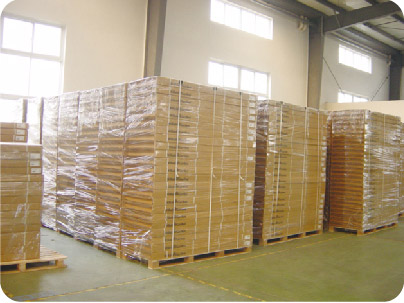
Key Takeaways
Dimensional weight charges you for space, not weight. Reduce wasted air to lower costs.
Redesign packaging to remove empty space. Smaller cartons fit more kits per container.
Use floor loading or slip sheets instead of pallets. Pallets waste volume and add weight.
Choose a 53-foot container for lightweight kits. It holds more kits and cuts per-unit cost.
One manufacturer cut costs 18%. They redesigned packaging and switched to floor loading.
Understanding cost drivers for reducing freight costs
Before you can lower expenses, you must understand what drives them. Deep winter greenhouse kits present a unique challenge because they combine long aluminum frames with wide polycarbonate panels. These components occupy substantial volume yet weigh very little. Carriers recognize this mismatch and price shipments accordingly.
Dimensional weight impact on shipping costs
Shipping carriers use the Weight or Measure (W/M) principle. They calculate both your shipment's actual weight and its volumetric weight, then charge you for the greater value. This rule transforms how you think about cost. For bulky, lightweight items like garden greenhouse kits, the volumetric weight almost always exceeds the physical mass.
Consider this comparison for a typical shipment of 50 cartons:
Metric | Actual Weight | Volumetric Weight (Chargeable) |
|---|---|---|
Shipment of 50 cartons (nursery trays) | 625 kg | 3.7 CBM |
Sea freight conversion (1 CBM = 1,000 kg) | 625 kg | 3,700 kg (chargeable) |
Air freight conversion (1 CBM = 167 kg) | 625 kg | 617.9 kg (chargeable) |
The sea freight example reveals the problem clearly. Your cartons weigh only 625 kg, yet the carrier charges you for 3,700 kg because of the space they occupy. This difference directly increases your freight bill. Every empty pocket of air inside your packaging becomes billable volume. Reducing freight costs starts with understanding this calculation and attacking the wasted space that drives it.
Packaging inefficiencies wasting container space
Greenhouse manufacturers produce many models with different dimensions. Each model features different dimensions, from compact city greenhouses to spacious walk-in structures. This variety complicates shipping because no single packaging solution fits every product. Some kits require long boxes for aluminum frames, while others need wide cartons for polycarbonate panels. Without careful planning, each container holds far fewer kits than its physical capacity allows.
Standard palletization compounds this problem. A typical deep winter greenhouse kit sits on a pallet with substantial empty space around its components. You pay freight for that entire pallet footprint, including the air. The container fills quickly with mostly unused volume, forcing you to book additional containers for the same number of kits. This inefficiency raises your total shipping cost and reduces your supply chain strategy effectiveness.
The solution lies in recognizing that your product's volume, not its weight, determines your freight expenses. Once you accept this reality, you can pursue packaging redesign and smarter loading techniques. These adjustments directly target the dimensional weight exposure that inflates every shipment. Container efficiency improves, and your cost per kit drops accordingly.
Techniques to reduce container shipping costs
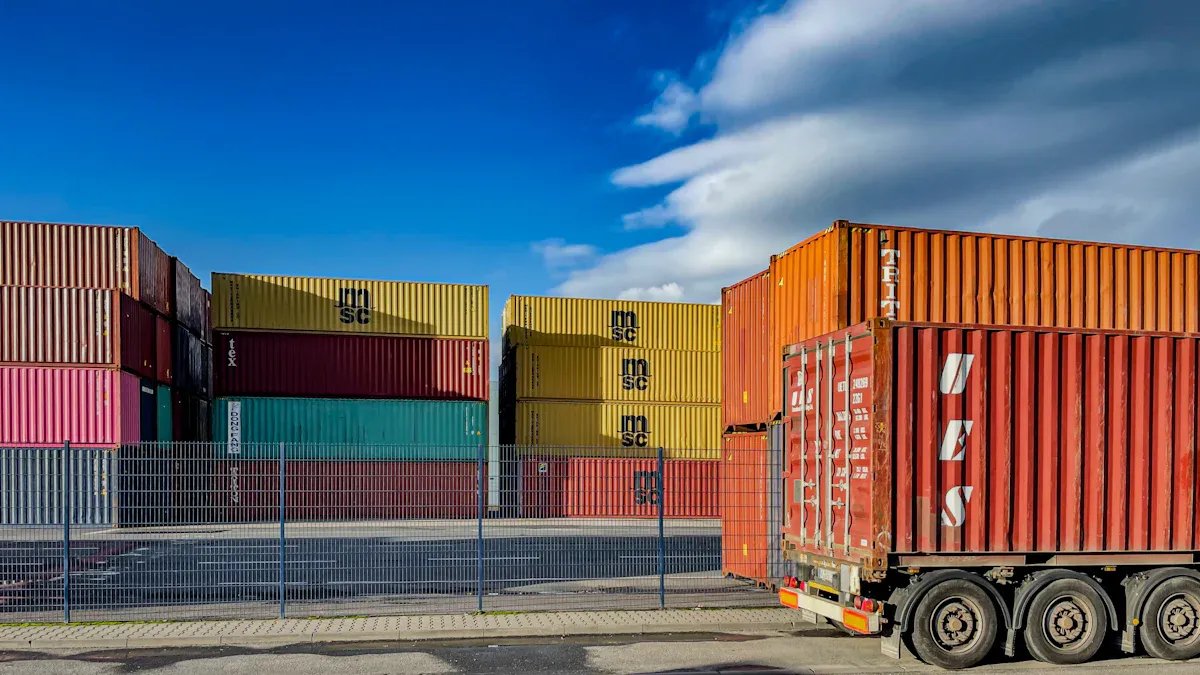
Standardized containers changed global trade. When shippers used them widely, loading costs dropped dramatically. That big change shows a simple fact: how you pack matters as much as what you ship. You can use the same idea for garden greenhouse kits. Smart packaging and good loading choices will lower container shipping costs without changing your product quality.
Packaging redesign to optimize shipping costs
Your deep winter greenhouse kit packaging likely holds more air than product. Long aluminum frames and wide polycarbonate panels create odd shapes that push you into oversized cartons. Those cartons waste container space. Redesigning your packaging directly fixes this problem.
Start by checking each part's size. Measure the real space your frames and panels take up. Then compare that volume to your current carton size. You will likely find big gaps. Making cartons slightly shallower across hundreds of boxes frees up valuable floor space. This easy change helps you cut shipping costs right away.
Think about modular packaging designs. Instead of one big box for the whole kit, split parts into smaller, same-size cartons. Uniform boxes stack better. They remove the uneven gaps that come with mixed-size loads. You can place them in repeating patterns that fill every part of the container. This method also makes loading easier, since workers handle consistent shapes.
Container loading software speeds up this process. Tools like MaxLoad Pro figure out the best carton layouts automatically. The software handles mixed products and creates reliable 3D loading plans. SafeCube offers similar features, placing each carton on a floor grid while applying weight limits. These programs show you exactly how many deep winter greenhouse kits fit per container before you change packaging. You test different carton sizes virtually, avoiding costly trial-and-error shipments.
Floor loading, palletization, and slip sheets
Palletization seems easy, but it costs you a lot. Each pallet takes up vertical space and adds weight. A standard pallet uses a significant portion of your container's usable space. That space could hold more garden greenhouse kits. You pay freight for that pallet space on every shipment.
Floor loading removes this waste. You put cartons directly on the container floor, stacking them to the top. This method uses every inch of available space. Without pallets, you fit more kits per container. Fewer containers mean lower total freight costs. The savings add up quickly across many shipments.
Slip sheets offer a middle option. These thin cardboard or plastic sheets slide under your cartons. They allow forklift handling without the bulk of wooden pallets. You get the loading efficiency of floor loading while still using machines. Many shippers switch to slip sheets specifically to lower container shipping costs while keeping products safe during transit.
Your choice depends on your delivery network. If your customers need palletized delivery, slip sheets may not work for them. But if you ship to centers that accept floor-loaded freight, you unlock big savings. Talk with your logistics partners. Many carriers offer lower rates for floor-loaded containers because they use trailer space better.
Container loading software helps you weigh these options. You enter your carton sizes and pick palletized or floor-loaded setups. The software calculates total container use for each choice. You see the cost difference right away. This data-driven method strengthens your supply chain plan and supports talks with carriers.
The proof is clear. Containerization itself changed shipping costs. You can get similar gains by using those ideas for your deep winter greenhouse kit shipments. Packaging redesign and smart loading choices deliver real freight savings. Start with one container load. Test different setups, measure your use, and watch your shipping costs drop.
Strategic decisions to maximize container payload
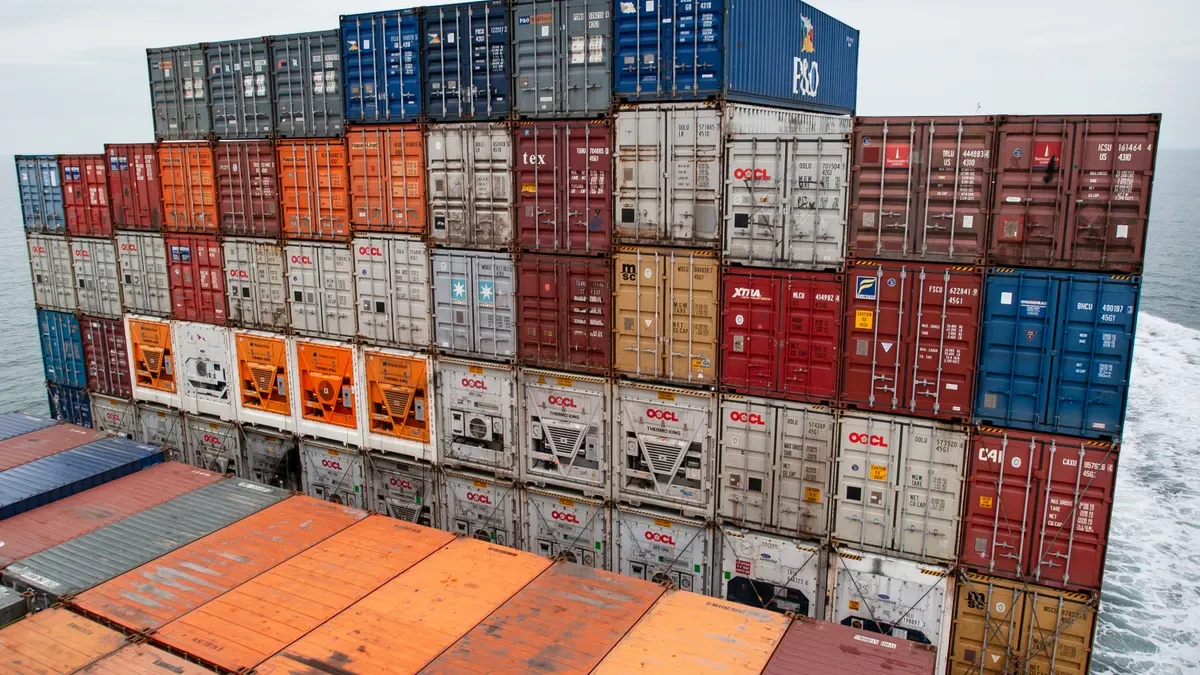
Picking the right container size affects how much you pay for shipping. Many shippers just use a 40-foot ocean container without thinking about other options. That choice could cost you thousands per shipment. The density of your garden greenhouse kit should guide this decision, not habit.
Choosing the right container size for greenhouse kits
Container size decides how many deep winter greenhouse kits fit in each shipment. The table below compares two common options:
Container Size | Max Payload (lbs) | Key Limitation | Relative Volume Advantage |
|---|---|---|---|
40' Ocean | ~58,000 (ocean) / ~44,000 (truck) | U.S. road weight limits | Baseline |
53' Domestic | ~42,500–44,000 (rail) | Rail weight limits | Fits 3–4 more pallets than a 40' |
This comparison shows an important trade-off. The 40-foot container can hold more weight when shipped by sea. But trucking rules limit it to about 44,000 pounds. The 53-foot domestic container gives extra space for three to four extra pallets. Rail weight limits keep its total payload lower.
Your deep winter greenhouse kits have long aluminum frames and wide polycarbonate panels. These parts take up lots of space but are not heavy. A 53-foot container often holds more kits because space matters more than weight. You pay for the space, not the weight. Extra pallet spots mean more kits per trip.
Think about a shipment of walk-in greenhouse kits. Each kit takes up a lot of space but weighs little. The 53-foot container's extra room lets you load several more units. Your cost per kit goes down even though the container rental cost stays about the same. This calculation is the heart of your container plan.
On the other hand, if you ship heavy items like glass panels or metal staging, weight becomes important. Dense products hit the 44,000-pound truck limit before filling the container. In that case, the 40-foot container works better. You avoid paying for unused space in a bigger box.
Construction companies have cut logistics costs through smart packing and load planning. These ideas apply to shipping garden greenhouse kits too. You can get similar savings by matching container size to your product's weight and space profile. Check your actual shipment weight and volume. Then pick the container that fills up best without going over legal limits.
Consolidating shipments and timing
Combining loads from buyers is another strong way to lower freight costs. Instead of shipping small orders every week, put them together into fewer, bigger shipments. This method cuts the number of containers you book and the total freight you pay.
Full container loads (FCL) let you floor load and pack more tightly. You control how cartons stack inside the container. Less-than-truckload (LTL) shipments charge you for partial space at higher rates. For small greenhouse kit orders, LTL may seem cheap. But combining loads from multiple orders often gets you FCL pricing. You share container space with other products or mix your own orders to fill the box.
Timing matters as much as volume. Busy shipping seasons push freight rates up. Carriers raise prices when demand is high. You can cut detention and demurrage fees by planning your container loading carefully. These fees pile up when containers sit idle at ports or warehouses. A good schedule keeps your container moving and avoids these extra costs.
You should also pick the right ocean carrier for each shipment. Different carriers have different rate structures and travel times. Some focus on certain trade routes. Others offer better equipment availability. Research your options and negotiate yearly contracts. A reliable carrier partnership makes your supply chain stronger and stabilizes your shipping costs.
Consolidation also makes your container use more efficient. Fewer, fuller containers mean less wasted space. You cut the total number of trips needed. This efficiency lowers your carbon footprint and your freight costs. The savings add up over your whole yearly volume.
Start by mapping your order patterns over three months. Find small shipments that could join into one container. Calculate the combined volume and weight. Then compare FCL versus LTL rates for that combined load. You will likely find that one full container costs less than several partial shipments. This simple check changes your shipping approach and gives real savings.
Real-world examples of shipping cost savings
A greenhouse manufacturer ships many kits each year from its large factory. That scale means even small loading improvements create substantial annual savings. Construction companies have cut logistics costs through load optimization and smart packaging. Greenhouse kit shippers can achieve similar results with the same principles.
Case study: How a greenhouse manufacturer reduced freight by 18%
One manufacturer analyzed its container loading process and found a major problem. Each garden greenhouse kit occupied a full pallet with large gaps between components. The company shipped many containers per year with poor space utilization. Every container held fewer kits than its physical capacity allowed.
The manufacturer redesigned its carton dimensions to match component sizes more closely. It also switched from palletized loading to floor loading for full container shipments. These changes increased the number of kits per container significantly. Fewer containers meant lower total freight expenses. The company reduced its annual freight cost significantly without changing product quality or delivery times.
This case shows a clear pattern. You measure your current container utilization first. Then you test packaging changes virtually using loading software. Finally, you implement the best arrangement on your next shipment. The savings multiply across your yearly volume. For a large production scale, even a small improvement per container translates to significant annual savings.
Lessons from switching to slip sheets and floor loading
The comparison below shows why many shippers abandon wooden pallets entirely.
Benefit | Pallet (Traditional) | Slip Sheet | Savings / Improvement |
|---|---|---|---|
Acquisition Cost | $6.00 - $12.00 per pallet | ~$1.00 per slip sheet | 6 to 12 times less costly |
Transportation (space) | 1 pallet occupies full space | 100+ slip sheets fit in same space | ~99% space reduction for sheet storage |
Transportation (weight) | ~60 lbs per pallet | ~2 lbs per slip sheet | ~97% weight reduction per unit |
Labor (floor loading trailer) | 3 men × 6 hours = 18 man-hours | 1 man × 0.5 hour = 0.5 man-hour | 17.5 man-hours saved per trailer (97% reduction) |
Storage (warehouse space) | 1 pallet occupies a storage slot | 150 slip sheets fit in same slot | 99.3% space reduction for stored units |
Administrative Cost | Tracking, returns, repairs, disputes | Disposable – no tracking needed | Eliminates pallet management overhead |
Worker Injuries | Heavy lifting, nails, splinters | Lightweight, no protruding hazards | Reduced injury risk and related costs |
Insect / Rodent Problems | Wooden pallets harbor pests | Fiber sheet – no food or shelter | Eliminates infestation issues |
Environmental Impact | Wood – requires treatment, landfill | Recyclable paperboard, renewable | Lower carbon footprint, meets ISPM-15 exemption |
The labor savings stand out immediately. Floor loading a trailer by hand takes 18 man-hours with pallets. Slip sheets cut that work to just 30 minutes. You save 17.5 man-hours per trailer. That labor reduction directly lowers your handling cost.
Slip sheets also eliminate pallet management overhead. You stop tracking returns and repairing damaged pallets. Your warehouse stores 150 slip sheets in the same space one pallet occupies. This efficiency frees room for inventory. Your supply chain strategy improves because you ship more product with less handling equipment.
The environmental benefits matter too. Wooden pallets require treatment and often end up in landfills. Fiber slip sheets use renewable materials and recycle easily. They also meet ISPM-15 exemption standards, which simplifies international shipping. Your customers receive the same quality product with less packaging waste.
Start with one container shipment. Replace pallets with slip sheets and floor load the cartons. Measure your total freight cost before and after the change. You will likely see immediate container shipping savings. Apply that learning to your next shipment and refine your approach. Small changes compound into substantial annual savings across your entire shipping volume.
You now understand the core strategies. Track dimensional weight carefully. Redesign packaging to remove empty space. Choose floor loading over pallets when possible. Select the right container size for each shipment. Consolidate orders to fill containers completely.
These methods typically reduce freight costs substantially for garden greenhouse kit shipments. That reduction strengthens your supply chain strategy.
Start today. Audit your current loading process. Calculate your dimensional weight waste. Test one optimization technique on your next shipment. Even small changes deliver immediate savings. Switching from pallets to slip sheets cuts labor dramatically. One adjusted container reveals your potential. Apply what you learn to every future shipment.
FAQ
What is dimensional weight and how does it affect greenhouse kit shipping?
Carriers charge for the space your freight occupies, not the actual weight. For bulky greenhouse kits, you pay for air inside packaging. Reducing wasted space lowers your bill.
Can I reduce container shipping costs without changing my greenhouse kit design?
Yes. You can redesign packaging, switch from pallets to slip sheets, or use floor loading. These methods fit more kits per container without altering your product.
Should I choose floor loading or palletization for my container?
Floor loading removes pallet weight and space. It allows more kits per container. It saves container volume. Palletization adds cost and reduces container efficiency.
What container size works best for lightweight greenhouse kits?
A 53-foot container often holds more garden greenhouse kits than a 40-foot container. Your kits fill space before reaching weight limits. Choose the larger container for better consolidation and volume efficiency.
How can I achieve savings through optimized container loading?
Optimized container loading reduces freight costs by fitting more kits per container. This lowers your per-unit shipping expense.
Recommended Products

GB Series high quality decorative garden greenhouse kit

HGLB Series PC and glass lean to greenhouse kit

GMSB Series Aluminum Walk-In Twin Greenhouse for Deep Winter Gardening

W Series modern deep winter greenhouse kit for home

R Series best outdoor aluminum polycarbonate greenhouse kit

SG Series 6x6ft | 6x8ft walk in glass greenhouse kits for garden

SG PC Series Small inexpensive Walk in Garden Greenhouse

P Series affordable walk in greenhouse kit for backyard


Recent News
1.Why European Garden Centres Are Switching to Polycarbonate Hobby Greenhouses
2026-08-312.Small polycarbonate Greenhouse: Why 6 mm UV-Protected Twin Wall
2026-08-253.CE & ISO-Certified Hobby Greenhouse Kits Factory: Ensuring Compliance for EU & UK Importers
2026-08-144.How Growell Supports Private Label Garden Greenhouse Programs: Custom Colors & Sizes Available
2026-08-145.Growell Recap: A Strong Debut at Cultivate’26 — Columbus, Ohio
2026-07-306.Growell Shines on the World Stage: A Successful Showcase at Spoga+gafa 2026 in Cologne
2026-07-027.The Complete Guide to Small Lean-To Greenhouse Kits: Everything You Need to Know Before You Buy
2026-07-028.Top 10 Small Garden Greenhouse Manufacturers: A Comprehensive Guide for Hobbyists
2026-05-299.Changzhou Growell Garden: Your Trusted OEM Partner for Premium Hobby Greenhouse Kits
2026-05-1910.Top 10 Small Polycarbonate Greenhouse Manufacturers in 2026
2026-04-23

